Categories
Archives
Meta
-
Recent Posts
Recent Comments
Archives
Categories
Meta
Monthly Archives: March 2021
Short Notices – “You Don’t Want To Do It Like That”
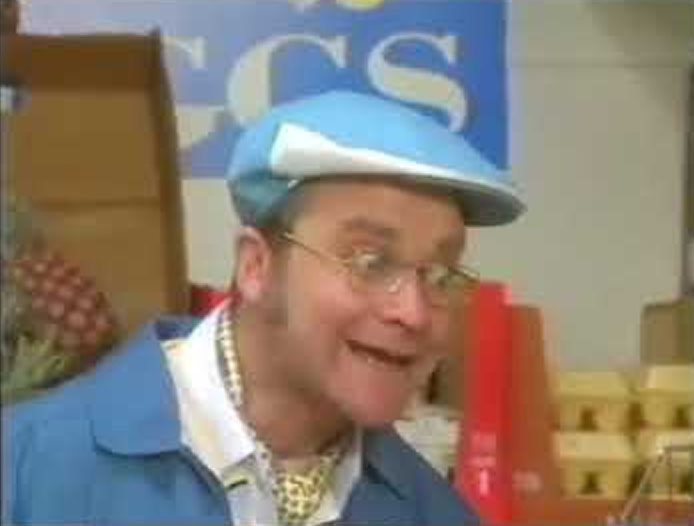
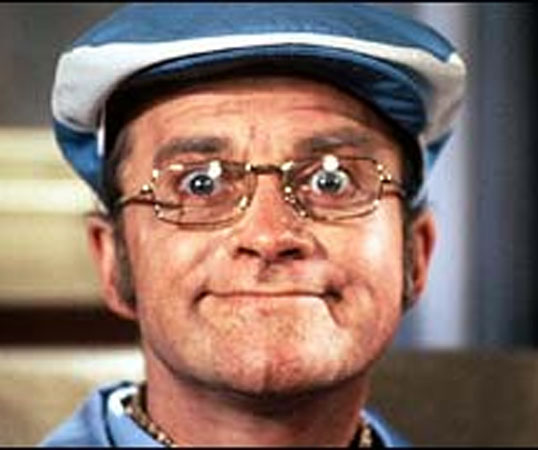
There are vast numbers of people on FakeBook™ and elsewhere giving us the benefit of their opinions on political matters. Generally, they are the modern equivalent of what we used to call saloon bar bores, barrack room lawyers and armchair experts. They are the social media counterparts of the Harry Enfield’s character [1] whose catchphrase is “You don’t want to do it like that.” Like every football fan shouting from the terraces, these people feel obliged to tell the players and manager, from the comfort of their local pub, what they should have done. They have been particularly active during the Brexit debacle and its aftermath, and now they keep popping up to tell us how badly Boris has handled the Covid-19 pandemic.
You can recognise them by a few tell-tale characteristics.
First, they have never been in charge of any enterprise more momentous than the local allotment society, nor have they ever had to make a more difficult decision than what to have for dinner. Unaccountably (or perhaps because of the aforesaid), they feel their complete lack of experience is no impediment to their criticism of the performance of others. In that respect they remind me of the conspiracy theorists who, never having tried to keep quiet a project involving more than three people, have utterly unrealistic ideas about how companies, never mind governments, can somehow keep secrets or hush-up wrongdoing.
Second, while they are free with their disdain for other’s performance, they rarely put their competence on the line by informing us of their plan before the events, contenting themselves with post hoc criticism. Further, they rarely, if ever, inform us of how they would have done things differently. One cannot help wondering exactly why these wise and capable people have not taken-up the reins of power themselves, given their high opinion of themselves and their aptitude. Surely, if they can do so much better, that would be their duty? Myself, I cannot imagine anything I would less rather do than become a politician and hold power and responsibility. In the very limited fields in which I hold some expertise, the uncertainties and the questions that need to be answered in order to choose wisely are difficult enough, but at least there are correct answers, indisputable only in hindsight perhaps, but nevertheless easy to justify in advance. To be held accountable to history for one’s every decision makes one envy the security of the faceless advisors in the civil service.
Thirdly, they grossly underestimate the difficulties involved in getting people to pull together to achieve an end. Perhaps only absolute tyrants know what it is to have their will obeyed without dissent or obstruction, and I am not certain that is the case as the obstreperous can simply dissemble; any lackey knows how to frustrate the will of his master without appearing to actually do so. It was Voltaire who coined the phrase,
‘Dans ce pays-ci, il est bon de tuer de temps en temps un amiral pour encourager les autres’,
referring to Admiral Byng’s punishment for failing to relieve the British garrison at Minorca as he was ordered, but few even among absolute monarchs have that much power. In a modern democracy or even a commercial company, getting co-operation from a group of people all bent on their own interests and advancement is much more akin to herding cats (a task which must seem simplicity itself compared to managing one’s backbenchers). The leader is obliged to tread a very tricky path if he is to avoid the obstruction, much less gain the co-operation, of those he nominally leads. And that is just his own party. To carry the vote against an opposition who see it as their bounden duty to oppose everything one says, even if one says the sky is blue, makes persuading water to run uphill must seem facile by comparison. No, I cannot imagine a more difficult balancing act – walking a tightrope across the Niagara falls must seem easy and safe in comparison – and, at the end, as Enoch Powell wrote,
‘All political lives, unless they are cut off in midstream at a happy juncture, end in failure, because that is the nature of politics and of human affairs.‘
The armchair critic can never be shown to be wrong because they never venture to place a bet until after the race has been run. Nor do they venture their opinion before the off.
But perhaps the most diagnostic characteristic of such people is their reprehensible utter failure to express approbation when those whom they so loudly denigrate are ever shown to have acted wisely. They are strangely silent compared to the usual insistent and strident calumnies. A cynic might almost believe that they were less interested in truth than in promoting their partisan and partial dogmas. So as Germany, France, Italy, and most of the EU, go into a third lockdown while Britain emerges from its second (having vaccinated 5 times as many people as its European peers), and EU bureaucrats squabble and try to wriggle their way out of blame for their culpable incompetence with ludicrous, unscientific claims, much to the detriment of their victims, sorry constituents. No, by definition, their enemies can do nothing right, being both intrinsically evil geniuses and yet somehow incompetent fools at the same time.
In the end, I cannot help but think that these unconstructive, self-aggrandising moaning minnies would do better to reflect on the words of that great philosopher, a founder of the English enlightenment and liberal tradition, John Locke;
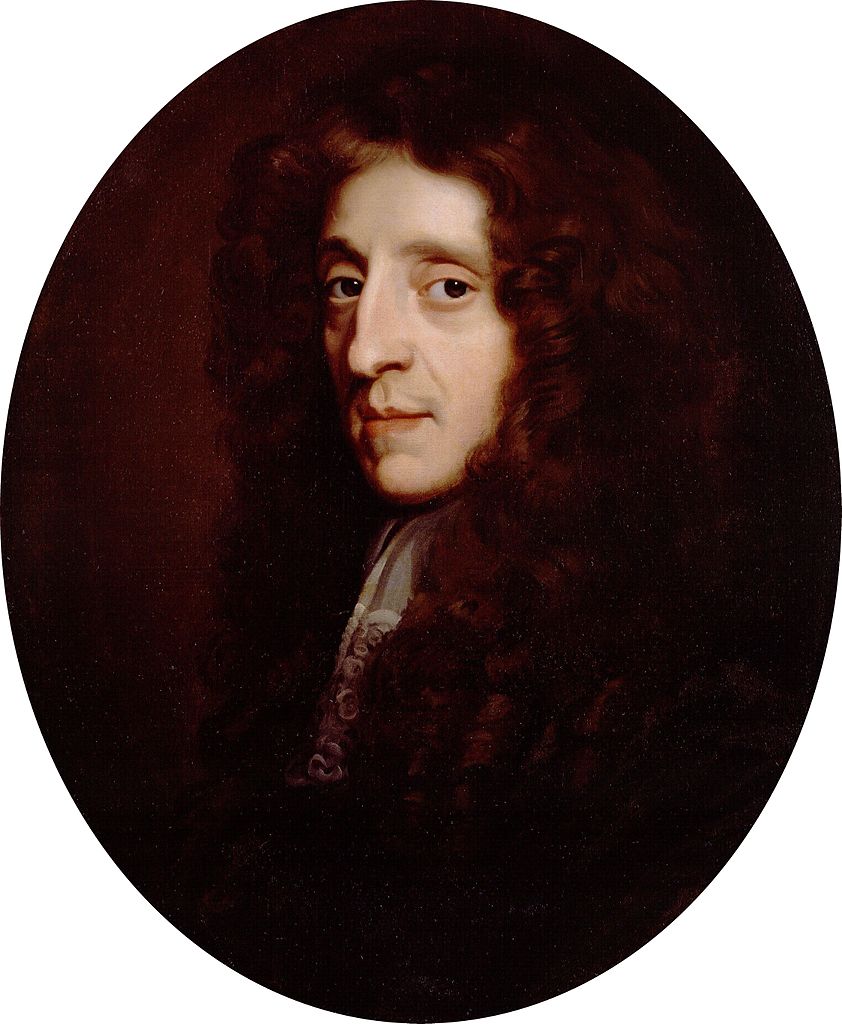
Image from Wikipedia
‘For where is the man that has incontestable evidence of the truth of all that he holds, or of the falsehood of all he condemns; or can say that he has examined to the bottom all his own, or other men’s opinions? The necessity of believing without knowledge, nay often upon very slight grounds, in this fleeting state of action and blindness we are in, should make us more busy and careful to inform ourselves than constrain others. At least, those who have not thoroughly examined to the bottom all their own tenets, must confess they are unfit to prescribe to others; and are unreasonable in imposing that as truth on other men’s belief, which they themselves have not searched into, nor weighed the arguments of probability, on which they should receive or reject it. Those who have fairly and truly examined, and are thereby got past doubt in all the doctrines they profess and govern themselves by, would have a juster pretence to require others to follow them: but these are so few in number, and find so little reason to be magisterial in their opinions, that nothing insolent and imperious is to be expected from them: and there is reason to think, that, if men were better instructed themselves, they would be less imposing on others.’
John Locke[2]: An Essay Concerning Human Understanding (1689)
But then, for all their arrogance and conceit, they have probably never heard of Locke, who more or less founded the great society that was the English Enlightenment, much less taken his sublime wisdom to heart.
[1] An infuriating know-it-all father who advised various people with both household tasks and diverse jobs, such as a football pundit. This was Enfield’s take on the traditional “mother-in-law” stereotype. His catchphrase, on encountering someone, or entering a room is “Only me!” When his interfering goes wrong he tends to blame everyone but himself, using the catchphrase “Now I do not believe you wanted to do that, did you?” Wikipedia
[2] Statue Of John Locke, At University College London by Richard Westmacott 1808
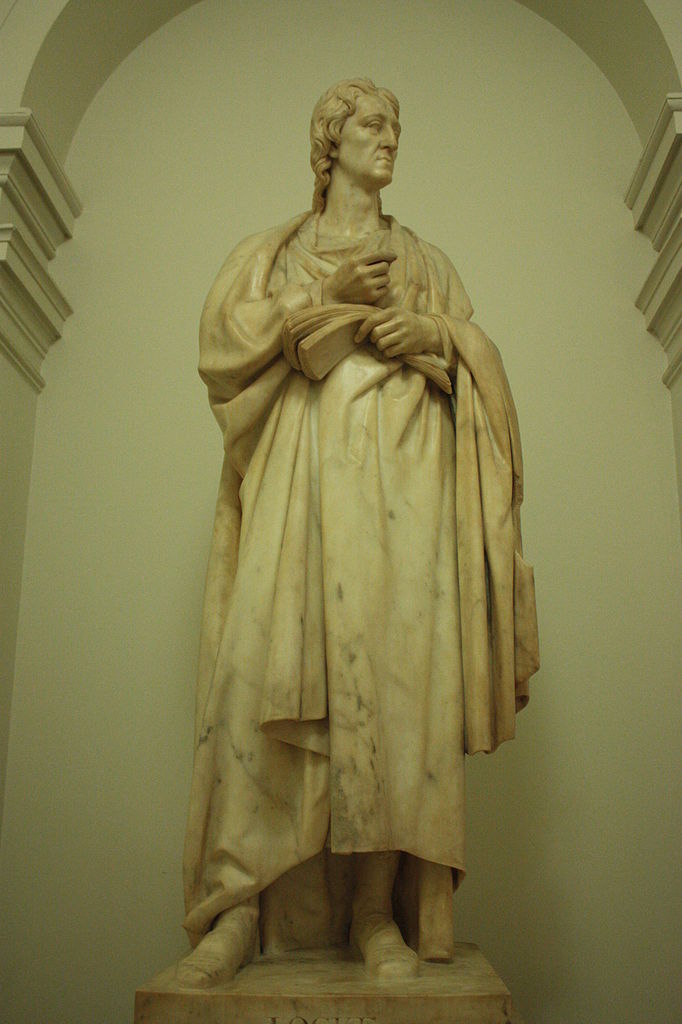
Image from Wikipedia
I couldn’t resist adding this, as the statue will doubtless soon be removed by the Woke Taliban
Posted in Humour, Politics, Rants, Short Notices
Leave a comment