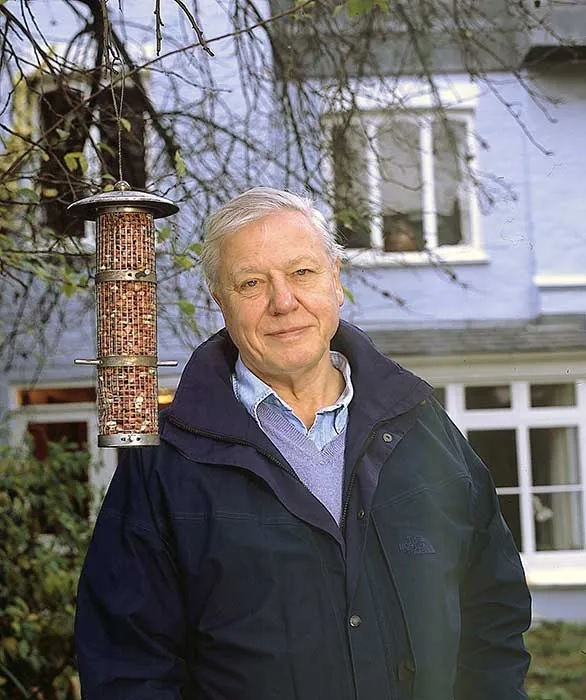
It may be the only thing he and I have in common, but I recently learnt from an article in the Hindustan Times that we both have spent a lot of our lockdown listening to birdsong. Sir David reports, “I’ve certainly spent more time in my garden listening to birds, than I have for a very long time. A lot of people have been surprised by that – a lot of people have suddenly realised what deep, profound joy can come from witnessing the rest of the world – the natural world.”
Since I moved to my new home in the Weald, I have benefited from a backdoor that opens onto a disused railway line that provides a conduit for wildlife of all sorts, and is only 100m from open fields and woods. It is also quiet enough to keep the doors and windows open. The result is that day and night I can enjoy birdsong.
Now it is Spring, the number and variety of calls increases every day. Through the Winter I rarely heard anything other than the jackdaws, sparrows and woodpigeon, although the robins have kept up a continuous background noise, singing most of the day and throughout the night the wrens keep up a non-stop and very loud chorus (when do the little buggers sleep?). I am always glad to hear the wrens and robins, even at 3am, but it is not the most varied or beautiful of songs.
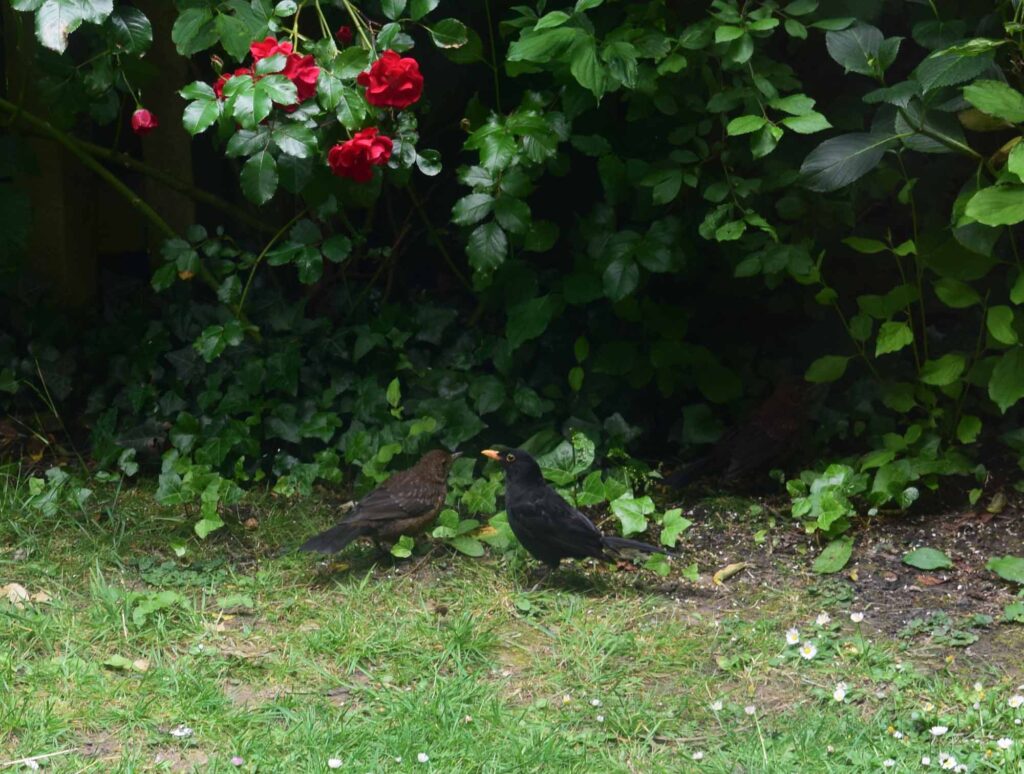
Now, though, I am pleased to hear that the blackbirds have begun their mellifluous melodies, including the individual that seems to have incorporated the warble of a 1970s Trimphone, who was around last year and seems to still be about. There are few lovelier sounds to be heard, as afternoon turns to evening in an English garden. Every day I experience that ‘deep, profound joy’ (in Attenborough’s words) that birdsong brings.
So much do I love it that my hi-fi and radio gather dust, unused, while I prefer to feed my soul with natural sounds. Mozart, Bach, Beethoven and the Grateful Dead are all neglected lest I miss one moment of the transporting melodies. My old mainstay, Radio 4, hasn’t had a look-in for months, and I really cannot say I regret it or miss the inane babble of humanity.
As my hero, Aldous Huxley has a character (my namesake, Dr Robert!) in his last novel, Island, say, “Fortunately, however, birds don’t understand pep talks. Not even St. Francis’. Just imagine,” he went on, “preaching sermons to perfectly good thrushes and goldfinches and chiff-chaffs! What presumption! Why couldn’t he have kept his mouth shut and let the birds preach to him?”
I am no expert but I think the various finches and tits have begun singing recently, and I saw a pair of spectacular goldfinches (Carduelis Carduelis) on the patio last week. I have even heard the piercing hunting dry of a buzzard recently. It all makes a very pleasant change from the harsh strident noise of the bloody seagulls which made life in Hastings so unpleasant (especially during breeding and chick-rearing season).
I may have to apologise to the robins, though. I’ve been blaming them for the noise in the wee small hours (not that I minded particularly) when it turns out it may well have been the wrens. Sorry robins, but it’s astounding that such a tiny bird can be so loud.
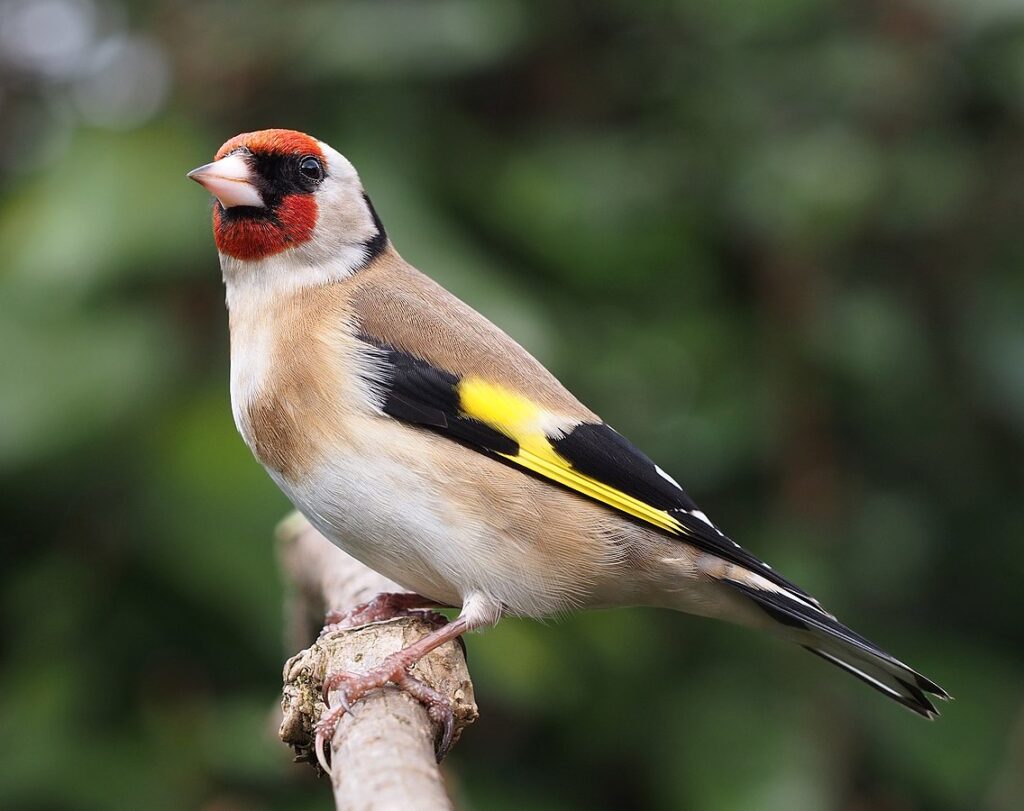
Image from Wikipedia
PS. Both Wikipedia and the RSPB websites include audio files of birdsong. Well worth investigating when you can’t tell which bird is singing.